Pests We Treat Before & After Photos
Click on a photo to enlarge.
Rodent Removal in Toms River, NJ


A new client in Toms River, NJ frantically called our office after finding a rat in her basement. So we were sent out to inspect and treat. During our inspection, we noticed a rather large gap where the water line was entering the structure through the foundation wall. As we took a closer look, we found several rat droppings right below it.
First, we carefully cleaned up the rodent droppings and installed several rodent bait stations throughout the basement and along the exterior of the home. Next, we stuffed the opening with chew-proof stainless steel mesh, which rodents hate chewing through. Afterward, we sealed the opening with a waterproof, premium adhesive. Lastly, we scheduled several follow-up visits to replenish the bait in the stations and monitor the rat activity.
Checking the Rodent Bait Stations & Replenishing Them in Toms River, NJ
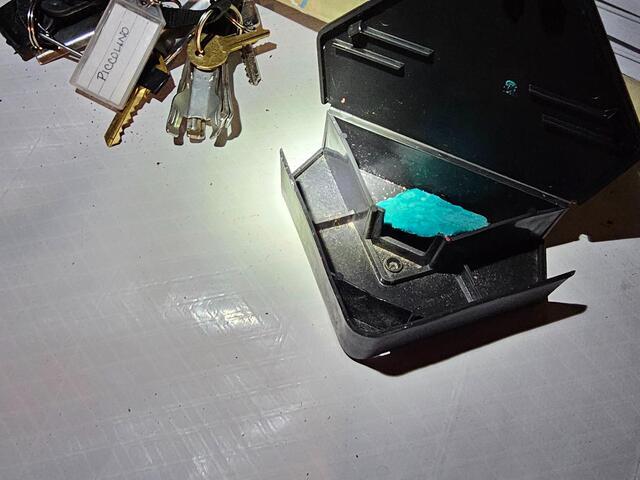
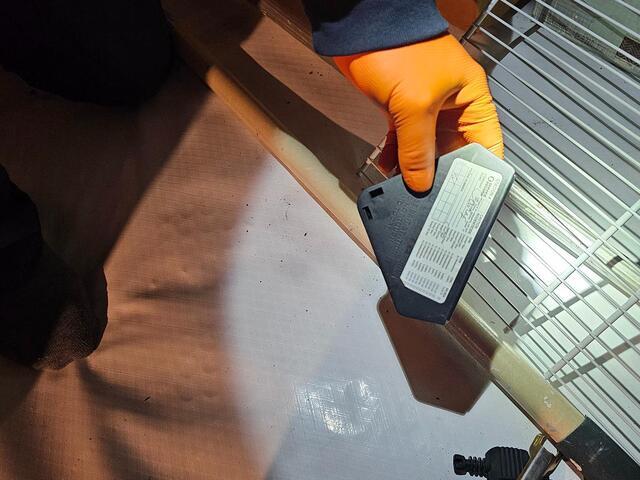
This customer in Toms River, NJ had a mice problem in her crawl space. A short while ago, we came out and installed several rodent bait stations throughout the crawl space and around the exterior of the home. We returned to check up on the activity. Sure enough, several of the stations had mice activity in them. So we replenished each one that was active with new bait.
After we finished with that we then sealed up every single current and potential access point around and inside of the home that the mice can use to infest the property. Once we were all finished, we schedule several additional follow up inspections.
Mice find comfy home in Howell, NJ closet


Recently, a was sent to a residence in Howell, NJ. The homeowner had contacted Cowleys after a surprise run-in with two mice in the kitchen the night before. Since mice are nocturnal, if these is a mouse sighting, it is usually at night when they are doing their foraging. Mice are experts at staying hidden and you’ll usually find signs of mouse activity like droppings, nesting materials, and relocated food well before observing the rodents themselves. Also, mice don’t travel far from their nest and they are not loners. Mice live in groups known as a horde or mischief of mice, so if you see one or two, it’s a safe bet that there are quite a few others hiding in the wall voids or behind your kitchen appliances.
I first checked the basement. Often, mice first gain entry through gaps and cracks around the foundation. The perimeter of he home appeared well sealed with no obvious entry points. Asking the homeowner, where he saw the mice running to before he lost sight of them, and he said they had scampered from a closet to underneath the refrigerator. Mice commonly nest underneath refrigerators because the area is well hidden and warm from the motor. Here, I moved the fridge to look behind and there were no openings in the wall behind. Next, I checked out the closet, and found a hole in the wall along with mice droppings in the area. When these mice weren’t foraging for food in the kitchen their home was a wall void that they accessed in the closet.
I temporarily sealed the hole with chew-proof copper mesh until the homeowner could permanently have the hole patched. I also placed rodent stations in the closet, and for good measure, also put two rodent stations in the basement. Upon a closer exterior perimeter inspection, I found one potential crack that could have ben used to gain entry into the home. I also sealed this opening with copper mesh and also set up another rodent station nearby. With these internal and external holes closed, the mice infestation should resolve. I told the homeowner to contact us if he saw any new signs of mouse activity, and we would be out there again for a follow-up.
Hornets Nest by Electrical Outlet in Howell, NJ


We were sent out on a service call for a new Home Protection Plan customer in Howell, NJ to treat for hornets . When we arrived, we inspected the back deck, which is where the owner saw them, and found that the hornets nest was located right above an outlet! For treatment, we injected a knockdown dusting application directly into the nest. This application rapidly eliminates the hornets. A short while later, we removed the nest, disposed of it, and applied a residual application to the area to neutralize any returning hornets and prevent them from building a new nest.
Yellow Jackets Nest in the Corner of the Attic in Colts Neck, NJ


A new customer in Colts Neck, NJ called our office after finding a large yellow jackets nest in the attic of his detached garage. As we inspected the attic we found the large, and active, yellow jackets nest tucked in the corner! For treatment, we injected a knockdown aerosol application, waited several moments, and then injected a knockdown dusting application. Both of these applications rapidly exterminate the yellow jackets.
Once they were eliminated, we removed the nest, disposed of it properly, and cleaned the area.