Wildlife Removal Before & After Photos
Click on a photo to enlarge.
Stopping Squirrels From Chewing Exposed Wood in Gladstone, NJ
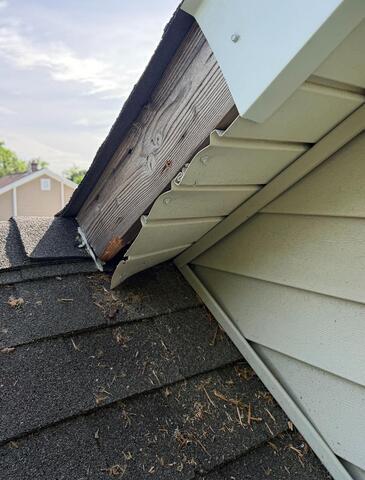
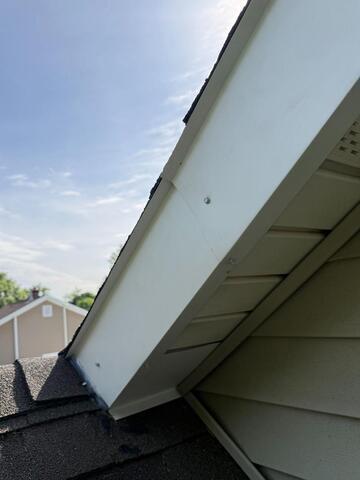
This customer has some squirrels residing in his home in Gladstone, NJ. The property had a piece of fascia board missing and the wood was exposed. The squirrels used this opportunity to infest the home!
We installed a one-way device over the access area, temporarily enclosed the area with hardware cloth, and placed some baited devices nearby. The one-way device will allow the squirrels to leave the property safely but prevent them from getting back in. A short while later, we retrieved all of the squirrels and took them to a much safer location.
We then disinfected the attic and installed a piece of sturdy metal flashing over the exposed wood on the fascia board. This will prevent the squirrels, and any other nuisance wildlife, from infesting the home through this area.
Excluding the Gable Vents from Bats in Skillman, NJ
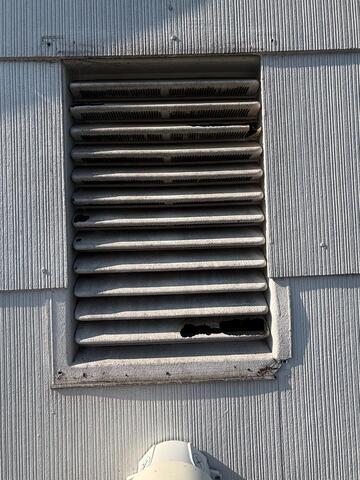
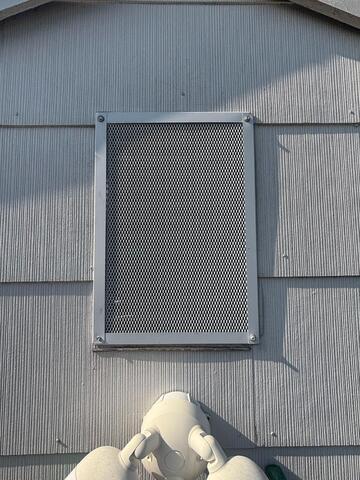
Several bats were entering this home in Skillman, NJ by squeezing through the damaged gable vent. A short time after setting up our retrieval devices, we safely removed all the bats from the property. After disinfecting the area, we went back to our trucks, fashioned a louvered vent guard and installed it over the gable vent.
The louvered vent guard is made out of heavy-duty Galvannealed steel, which means that not only is it durable, but it also won't rust. Additionally, it is customized to accommodate vents of all shapes and sizes and properly secures the area from not just bats, but all nuisance wildlife and birds too.
Keep The Raccoon Out in Hillsborough, NJ
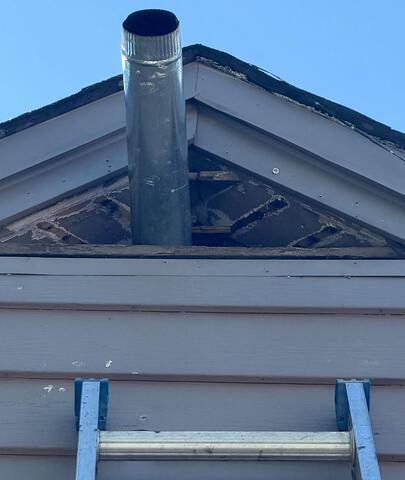
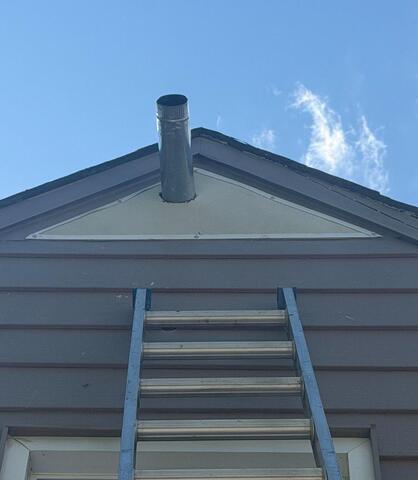
This customer in Hillsborough, NJ had a raccoon residing in his attic. So he contacted Little Rascals for help and we were sent out. A short while after setting up our devices we safely retrieved the raccoon and took it to a safer location. Now we need to exclude the area to prevent any future raccoon infestations.
The area that the raccoon got into was the gable vent. We disinfected the attic and installed a louvered vent guard over the gable vent. A louvered vent guard is made out of heavy-duty Galvannealed steel. It won't rust, is customized to accommodate vents of all shapes and sizes, and properly secures the gable vents from all nuisance wildlife.
Flying Squirrels Infesting Home in Belle Mead, NJ


A new customer in Belle Mead, NJ was having trouble with flying squirrels getting into his attic and destroying his insulation, so he contacted Little Rascals and we were sent out to investigate. After inspecting the property from top to bottom, we determined that the flying squirrels were infesting the home via the attic fan!
In order to safely remove them from the home, we temporarily sealed off the attic fan and installed a one-way device in front of it. The one-way device will allow the flying squirrels to safely leave the area but prevent them from getting back in. We also placed several baited devices nearby. A short while later, we successfully and safely retrieved all the flying squirrels in the home, relocated them to a new, humane environment, and disinfected the attic area.
To prevent any future intrusions from flying squirrels, we installed an attic fan cover over the attic fan. This material is made out of heavy-duty 18 Gauge expanded Galvannealed steel mesh. This won't just prevent flying squirrels from gaining access into the home, but all nuisance wildlife, bats, and nuisance birds!
Denying Squirrels Access Into the Attic in Belle Mead, NJ
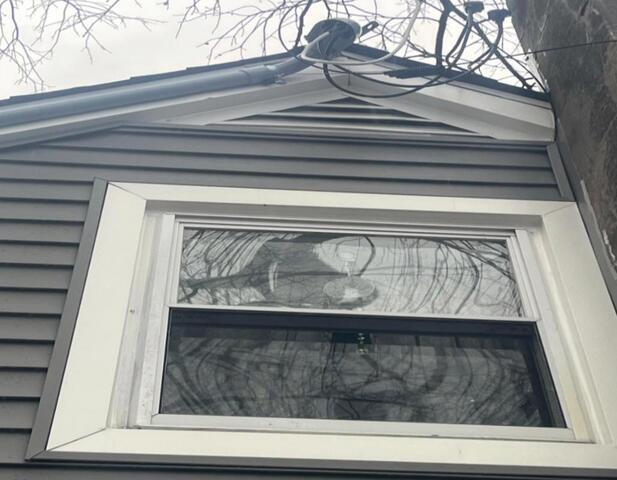
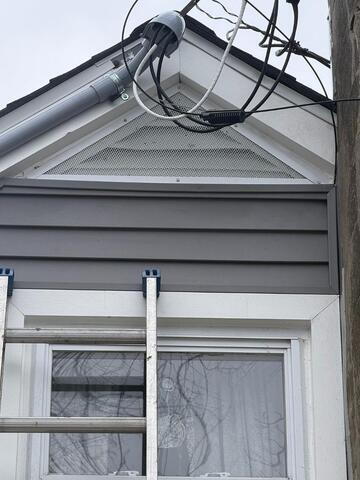
This homeowner had several squirrels take up residency in his attic, so he called Little Rascals for assistance and we were sent out. A short while after setting up our devices we were able to successfully and safely retrieve the squirrels and took them to a safer location. Now all that's left is to exclude the area that they got in - which was through the gable vent.
Before excluding the area, we thoroughly disinfected the attic first. After that was done we installed a louvered vent guard over the gable vent. A louvered vent guard is made out of heavy-duty Galvannealed steel. It won't rust, is customized to accommodate vents of all shapes and sizes, and properly secures the gable vents from not just squirrels, but also birds, bats, and all nuisance wildlife!