Will Removing Wildlife From Your Property Keep Your Family Safe?
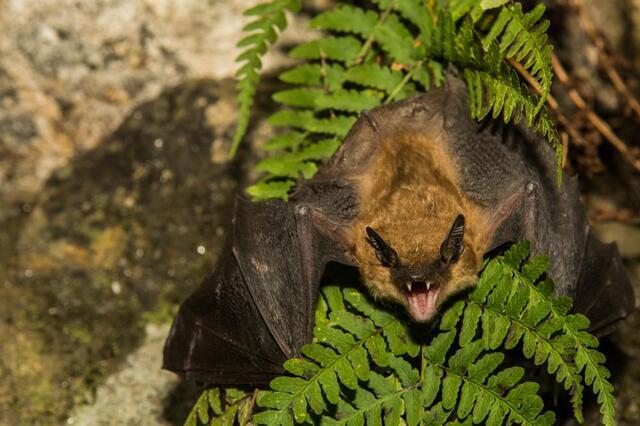
New Jersey is lucky to have 41 state parks where residents can see wildlife in their natural habitat. Wildlife play an important role in the eco-systems of our state, but when they choose to take up residence in a home, they become dangerous for a variety of reasons. If you suspect a wild animal is somewhere in your home, it is important to choose the right nuisance wildlife specialist to remove them. Here are important tasks that a good wildlife removal specialist will do at your home.
The first step the company should take is inspection and analysis. This step should determine the nature and extent of the wildlife infestation. It should also determine potential access routes into your home and why the wildlife were attracted to your property in the first place. Not only is the wildlife itself dangerous, in many cases so is the wildlife's excrement. A quality company will inspect issues such as dangerous wildlife waste and debris that can contaminate your home’s air.
The next step for the company is the actual retrieving and removal of the wildlife. It is important to use a company that only practices industry-accepted wildlife trapping and removal methods. These methods have been deemed practical, humane, and legal. The goal of the company should be to safely capture the wildlife while minimizing any distress and further damage to your home. It is important to use a company that understands the NJ DEP Division of Fish and Wildlife relocation of wildlife policy. This policy can be difficult to navigate because there are specific release criteria for different wildlife.
While the removal of the wildlife is an important step, it should not be the last step. A good company will sanitize and deodorize the area where the wildlife was captured. Wildlife causes many unpleasant odors. The unpleasant smells may be produced by moist nesting in vents or attics, left by birds, bats, squirrels, and raccoons. Droppings, urine, and body greases also create distinct and very pungent odors. In addition, to smelling bad, nesting materials and bodily excretions can become airborne and become a source of many different diseases. It is important to note that these are hazardous materials and should only be removed by technicians trained with the right equipment.
After hazardous materials have been removed it is time to address the damage that wildlife inevitably causes. Some of the areas that might need repairs are soffits, trim, rake boards, fascia boards, roof shingles, and corner pork chops (the end of a soffit). Something else that might need to be addressed is any voids or gaps where two roofs come together.
Now that the wildlife are evicted, and the area is cleaned up, it is time to make sure they don’t come back. To keep nuisance wildlife out of your home, it is important to have a professional evaluate potential access routes such as overhanging branches, open chimneys, utility lines that feed into your house, and unscreened vents. Once they evaluate the situation, they can make the changes that will keep wildlife out in the future.
When looking for a wildlife removal company make sure that they will do all of the tasks listed above. If you are in Mercer, Ocean, Monmouth, Somerset, or Middlesex County in New Jersey reach out to Little Rascals Nuisance Wildlife!