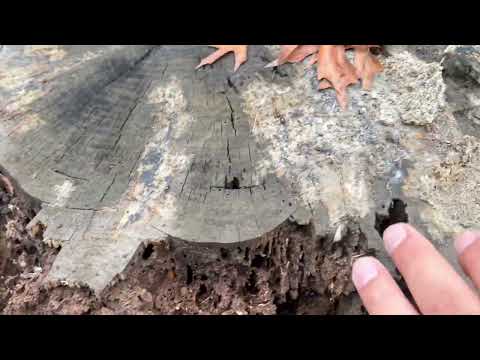
Signs of Winged Termites
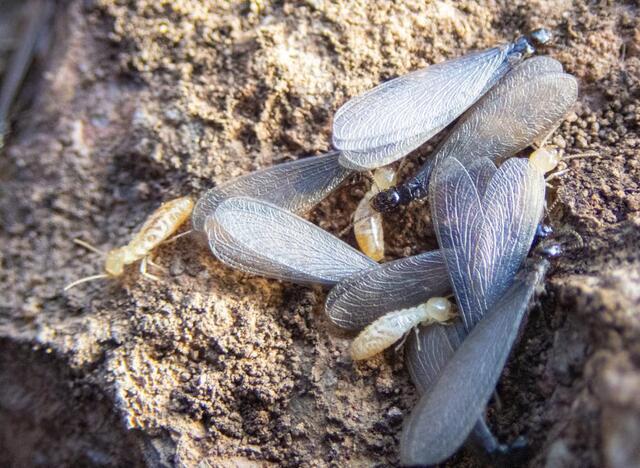
Did you see what you thought were a number of flying ants near your home? Did you see tiny discarded wings on your windowsill? If you did, these could be important signs that termites are swarming in your home and you need to take action.
In our area, the peak time for termites to swarm is from mid-April to mid-May. “Swarming” is how a termite colony expands and creates new colonies. When the colony is large enough to expand it will send out winged termites, also known as alates, to find a new, suitable home, for the expanded colony. This swarming behavior is a natural part of the termite life cycle and is often triggered by warm, humid weather, especially after rainfall. One established colony may send out multiple swarms over several weeks. Once a suitable area is found, the swarmers will begin to create a new colony.
So, what can you do to discourage these swarmers from taking up residence in your home? Here are six important steps.
- The first step is to reduce moisture in and around your home as termites thrive in damp environments. Inside you can reduce moisture by repairing leaking faucets and water pipes. Outside your home, you should check exterior AC units and make sure to divert water away from your house with properly functioning downspouts and gutters.
- Next, repair fascia, soffits, and rotted roof shingles. Termites prefer to make their colonies in decayed or moist wood because it's easier to tunnel through. Damaged soffits and fascia boards often have perfect wood for termites. Not only does it provide them a place to start their colony it also provides their food source (cellulose).
- Third, pay attention to firewood storage. Whether you keep a wood pile for fun summer fire pits or you only use it in the winter for a fireplace, wood must never be stored next to your home. It is best to keep any pile of wood at least twenty feet away from your house.
- Fourth, if any weather stripping around your basement windows looks worn or damaged, replace it. When looking in the area of the basement, also pay special attention to your foundation. If you see any loose mortar have it repaired. This area is a prime place for termites to enter your home so don’t make it easy for them.
- Another important step that many homeowners underestimate is the importance of keeping soil and wood chips from touching their home. Allowing these materials to touch your home makes it easier for termites to get in. Keeping a minimum of 18 inches between wood chips and your home will make it much more difficult on termites.
Lastly, whether you have seen swarmers or not, you should consider scheduling an inspection from Cowleys. Wood-boring insect damage, like termite damage, is not covered by most homeowner’s insurance policies, even though it is estimated that termites create five billion dollars of damage to structures in the United States every year. A termite inspection can determine if you have a problem, and we can help you figure out the best solution for your home. It is important to catch termites early to reduce the amount of damage they produce.
Related Content: