Cowleys Pest Services Before & After Photos
Click on a photo to enlarge.
Gap in Pipe Leads to a Mouse Infested Basement in South Amboy, NJ


This homeowner in South Amboy, NJ noticed mice droppings in her basement. Upon inspection throughout the basement I discovered a small shimmer of daylight coming from above the foundation sill plate. I inspected the area further to find more droppings and a significant crevice where a drain pipe exited to the exterior. The entry point was confirmed when inspecting the exterior area. I placed small Rodent bait stations with rodenticide bait in the interior area where mice activity was observed to eliminate any mice that may be residing within. I then installed an exterior Rodent bait station with rodenticide and sealed the entry point with copper mesh to eliminate any more mice attempting to gain entry into the home.
Hidden High Up in a Tree is a Bald-Faced Hornet's in South Amboy, NJ
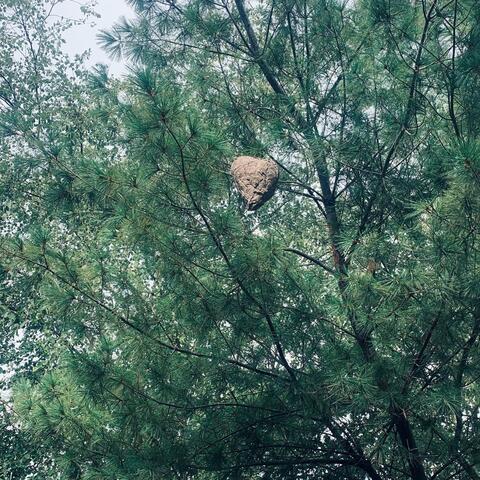
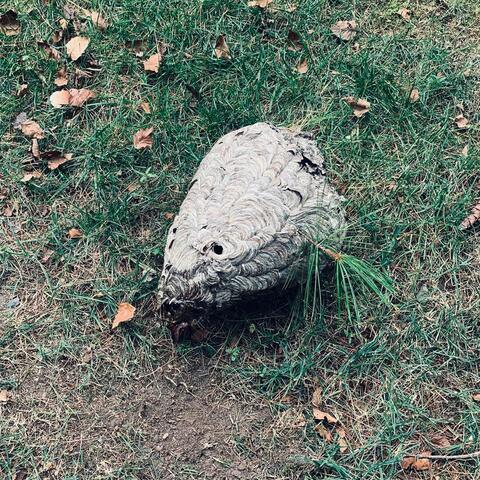
While this customer in South Amboy, NJ was mowing his yard, he noticed a hornet's nest about 20 feet up in one of the tree's in the backyard. He immediately called Cowleys for assistance and we were sent out. Once we arrived, we equipped our protective bee suit, and took a closer look at these stinging insects. When we examined the nest closely, we were able to identify these insects as bald-faced hornets.
Bald-faced hornets have white markings on their face and are extremely aggressive and territorial. They won't waste a single moment to attack or sting anyone or anything that comes close to their nest. Using our extendable pole to reach the nest, we injected a knockdown dusting application. After several moments passed, we also injected a knockdown liquid application. These treatments will exterminate the bald-faced hornets almost immediately. A short while after neutralizing the bald-faced hornets, we removed the nest (and the branch it was attached to) and disposed of them.
Repairing Raccoon Damage to Home in Freehold, NJ


After we successfully removed and relocated a raccoon that invaded this home in Freehold, NJ, we needed to fix the damage it caused.
We replaced the broken soffit with water pressure lumber to provide structural integrity to the area. This is also treated with an application to prevent termites as well. Afterward, we enclosed the area with sturdy, metal flashing to prevent future intrusions from any nuisance wildlife.
Cleaning Up After a Birds and Squirrels in Freehold, NJ


Recently, a homeowner in Freehold, NJ, found himself with both a bird and squirrel infestation in his attic. It’s more common that you would think having different wildlife infesting a home at the same time. An entry point that’s good enough for one animal is often good enough for others. Our nuisance wildlife technicians had already come out and were able to successfully and safely remove all the birds and squirrels from the home, and seal up the entry points.
Then it was our turn! We carefully removed all the contaminated insulation and then vacuumed and disinfected the attic. Next, we added TruSoft blown-in cellulose insulation, which will fill the attic to its recommended insulation levels. TruSoft blown-in cellulose insulation has a higher R-value than standard fiberglass insulation, has the highest Class-1 fire safety rating, is resistant to mold and pests, and is eco-friendly. Now the attic is transformed from dirty and unhealthy to a clean and energy-saving one!
Mouse Problem in Freehold, NJ Home


Recently, a homeowner in Freehold, NJ contacted Cowleys because of a troublesome mouse infestation. Mouse droppings were all over the home. This poses a serious health hazard because droppings can contaminate food surfaces, and contain many dangerous pathogens. For animals that weighs less than an ounce, mice can transmit serious diseases and cause significant property damage with their incessant gnawing. We see a sharp spike in mouse infestations when outdoor temperatures drop in the fall and winter, and the rodents are looking to escape the harsh outdoor elements.
Upon arrival, I stated my inspection to determine where there was active rodent activity and how they were gaining access inside and around the home. Because of their size, finding mouse entry points is a challenge. They only need a space around the diameter of a dime to gain entry inside a home. Here, there was extensive rodent activity in the kitchen, which is common since the mice are attracted to accumulated food debris and the heat and moisture in this part of the home. Mice are especially attracted to appliances like dishwashers and refrigerators because of the heat generated by the motors.
During my kitchen inspection, I found mouse droppings and a mouse hole nearby the dishwasher. I cleaned up the droppings and plugged the hole with a chew-proof copper mesh. I also placed a rodent bait station underneath the dishwasher before closing everything back up. Next, I checked under and behind the stove. There were many droppings, but no holes. Moving onto the next room, I found a hole in the closet along with mice droppings. Mice are attracted to the dark, private locations of closets and it’s quite common to have an unwanted mouse encounter when opening a closet door. I did the same here: cleaned up the droppings, plugged the hole with copper mesh, and placed a bait station inside. Finally, the last location inside the home where there were droppings was the garage. The garage already had some bait stations inside and I replenished the bait.
I then turned by attention to the home’s exterior perimeter to determine how the mice were gaining access inside the home in the first place. There was a mouse hole neat the garage area that I sealed. There were already two bait stations outside the home and I replenished the bait. Based on the remaining bait, it was evident that there was heavy rodent activity around the home. With the movement of mice restricted inside the home and all of the bait stations, the mouse population and mouse sightings should dramatically drop down shortly. I’ll be returning for a follow-up to re-inspect and determine additional treatments as necessary.